


HFMA Annual Conference 2026

HFMA’s Annual Conference is the premier gathering for healthcare finance professionals, bringing together leaders from across the industry to tackle complex challenges, share insights, and explore innovative solutions that shape the future of healthcare finance.
June 7-10, 2026 | National Harbor, Maryland
Revenue Cycle Conference 2027
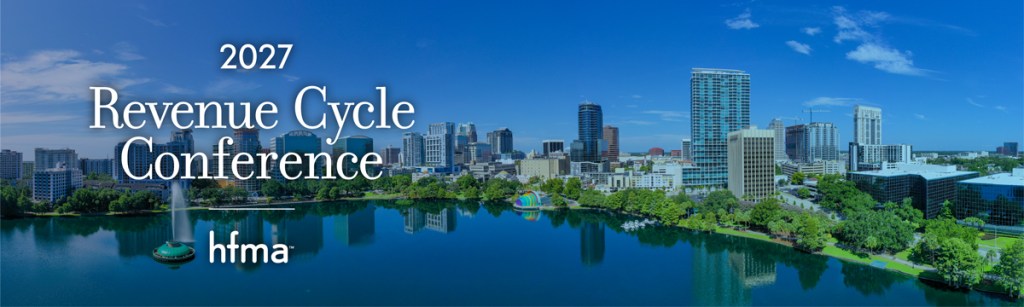
HFMA’s Revenue Cycle Conference (RCC) brings together healthcare finance and revenue cycle leaders to share insights, address today’s challenges, and explore practical strategies to strengthen financial performance and improve the patient financial experience.
March 9-12, 2027 | Orlando, Florida
HFMA Leadership Summit 2027

HFMA’s Leadership Summit brings together healthcare finance leaders to build critical leadership skills, exchange ideas, and explore strategies for guiding teams and organizations through change while shaping the future of healthcare finance.
April 18-20, 2027 | Atlanta, Georgia
Upcoming HFMA Annual Conferences
- June 27-30, 2027 | Denver, CO
- June 25-28, 2028 | San Antonio, TX
- June 24-27, 2029 | Nashville, TN
HFMA Local Calendars

Local Events
Explore HFMA local events nationwide—virtual and in-person opportunities to learn, network, and stay connected with the healthcare finance community.
Local Training
Check out HFMA local certification training opportunities near you.
Local Sponsorships
Browse the local sponsorship opportunities and choose the best option for you and your organization.