


Healthcare Revenue Cycle Management
Getting more bang for the buck from AI: Insight from Privia Health

Published
March 20, 2026
2:32 pm
|
Updated
April 10, 2026
9:17 am
An extensive search for the right AI implementation partners is paying off for Privia Health Group in Arlington, Virginia, an HFMA MAP Award winner that boasts positive results from incorporating AI in its revenue cycle.
Privia, a publicly traded physician management company, has installed or will be installing AI in a variety of applications. Vendors and tools were selected based on the expected impact of the technology as well as the ease of implementation and the ability to expand pilots across the broader organization.
“We interviewed approximately 30 different vendors in all different spaces [of the revenue cycle], all addressing different needs,” said Melanie Suranto, senior vice president of revenue cycle management and credentialing, who spoke in an interview after her appearance on a panel at the HFMA Revenue Cycle Conference in Arlington, Texas.
During some of those conversations, it was easy to vet vendors because it was obvious they couldn’t meet Privia’s needs, she said. Privia eventually settled on a handful of applications to pilot before scaling them across the enterprise.
Determining the right AI use cases
Privia’s revenue cycle management use cases extend across a variety of revenue cycle stages and functions.
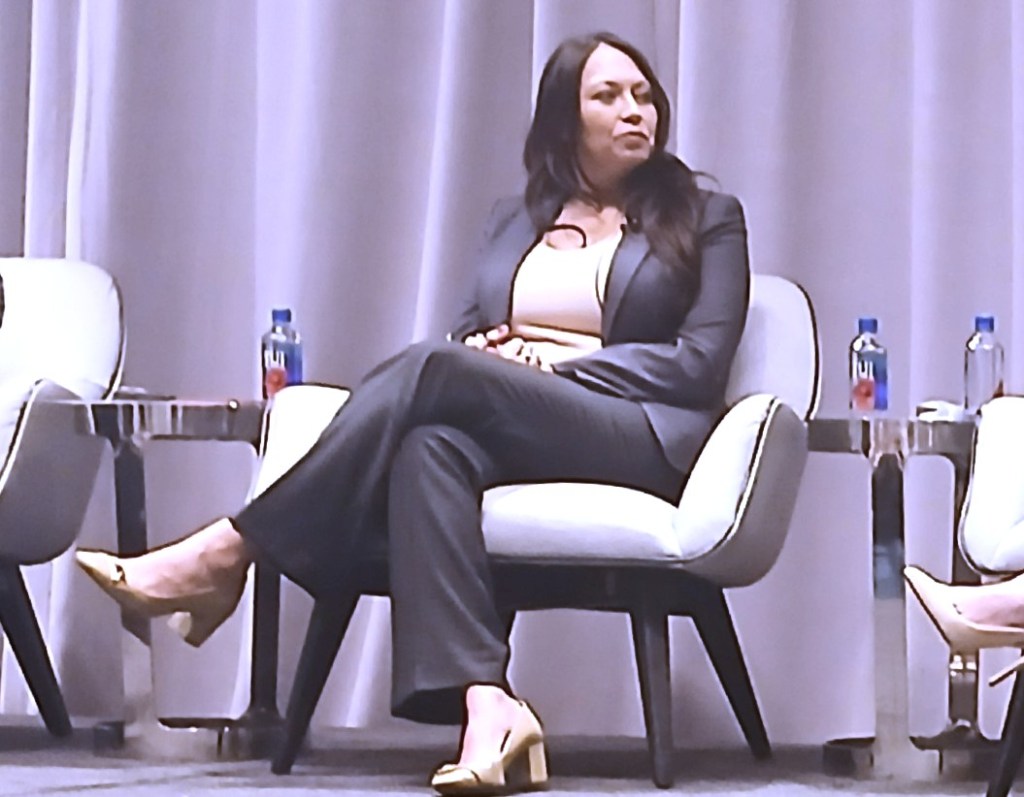
“We started with denials management, [accounts receivable] follow-up, [and also] prior authorization, coding, AI coding [and] patient demographic information. Now, we’re also exploring the customer experience,” Suranto said a day after Privia was named a winner of a 2026 HFMA MAP Award.
One key to success: Privia executives knew what they wanted from AI revenue cycle tools before going into the interview process.
“You’re very rarely going to find a one-box-fits-all solution. So, it’s important for you to understand, first of all, what needs you are trying to solve for before you start down the hunt of finding the right innovation partner,’’ Suranto said.
“Just in rev cycle alone, we came up with over 50 different use cases, and then we quantified them,” she said during a panel discussion at the revenue cycle conference. In determining how to apply AI in the revenue cycle, the Privia team asked themselves which of the use cases were going to give them the biggest bang for their buck.
Building support for AI in the revenue cycle
Privia also worked to ensure the organization had strong buy-in from its physicians.
“For most of our providers, you just have to take the scariness out of it,” Suranto said. “You have to show them that they can trust it. You have to show them that you need them [to adopt the tools].”
If Suranto could do anything differently, she said she would have brought other relevant departments — mainly IT, legal and compliance — into the AI vetting and determination process sooner than she did.
This year, 20 healthcare organizations received HFMA MAP Awards.
