


Vitalic Health
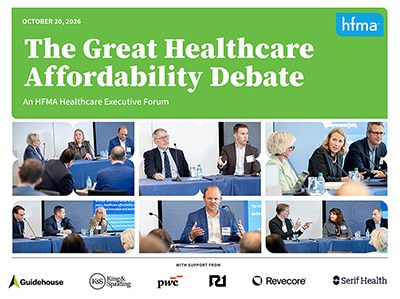
The Great Healthcare Affordability Debate
An HFMA Healthcare Executive Forum

Published
17 hours ago
With support from:







Dear Colleagues,
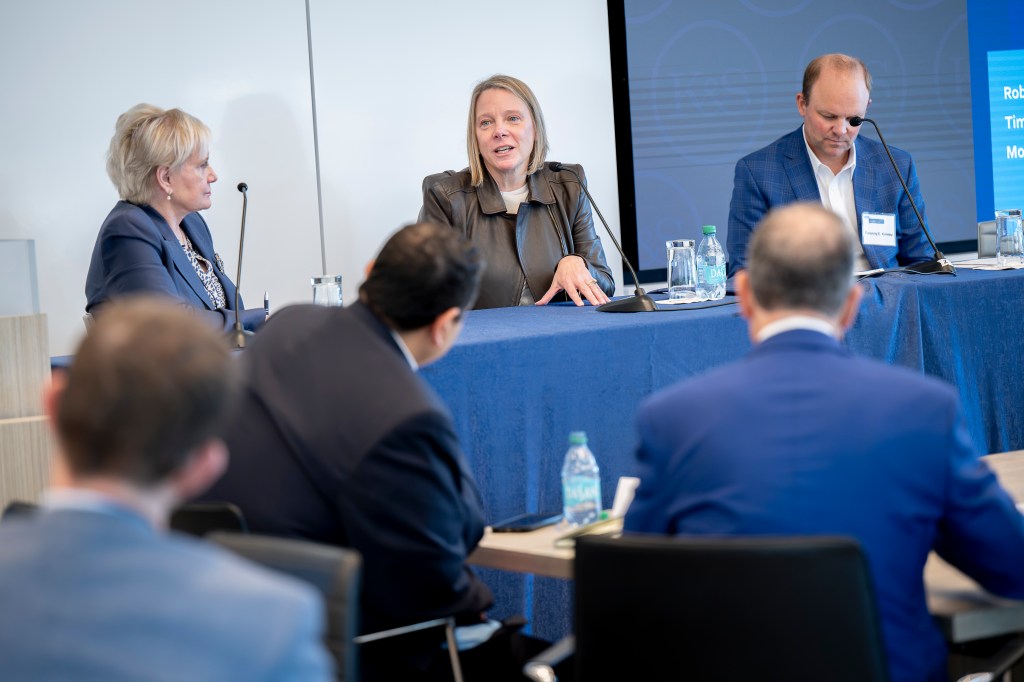
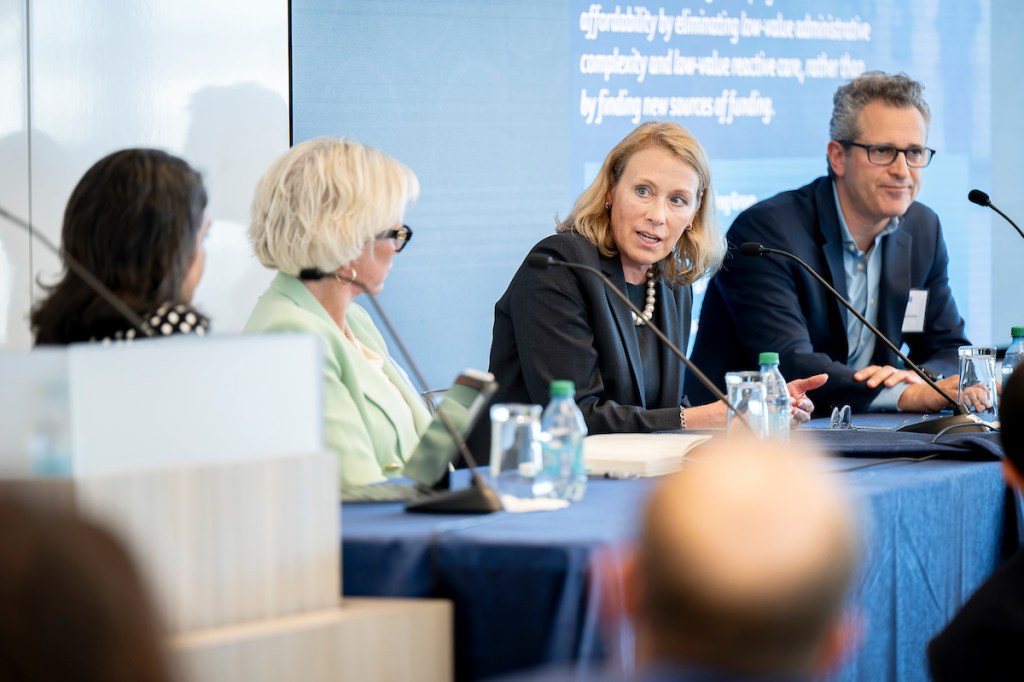
HFMA convened 50 healthcare stakeholders in Washington, D.C., on Oct. 20, 2026, to discuss one of the most complex and urgent problems facing the country: healthcare affordability. It was a refreshingly honest conversation that culminated in a challenge to sign our newly crafted Declaration on Healthcare Affordability and Sustainability.

Polling data from Gallup shows healthcare costs rank among Americans’ top financial worries. Fewer than half of Americans (49%) can consistently afford healthcare. Affordability gaps exist across income levels but are especially prevalent among people with chronic and mental health conditions, Gallup found. For millions of Americans, cost now decides whether they choose to seek care.
A system people cannot afford to use has failed its most basic purpose. Yet a system that is financially fragile cannot reliably care for the people who need it. Both sides of that equation matter.
That’s why HFMA brought together leaders from every part of the industry, including health systems, physicians, health plans, employers, manufacturers, policymakers and patient advocates, for the Great Healthcare Affordability Debate. No single stakeholder created the affordability problem, and none can solve it alone.
With healthcare costs prompting concerns across party lines, the people who know this system best must be ready with workable solutions that outlast any election cycle or party control. The most courageous act of leadership available to us is to seize this moment and, together, build something that works demonstrably better.
We also have to be candid about what affordability means for us. Every dollar of healthcare spending is someone else’s revenue. A more affordable system will require changes in how organizations earn revenue and operate, with incentives that reward lower total costs and better outcomes while sustaining access to care.
In this report, you’ll find an honest and open debate about the future of healthcare — what’s working, what isn’t and how to make an impact on healthcare affordability and sustainability. I welcome your thoughts.
Sincerely,
C. Ann Jordan, JD
President & CEO, HFMA
Pledge to help address America’s healthcare affordability crisis
HFMA calls on financial leaders across sectors to sign a Declaration on Healthcare Affordability and Sustainability and commit to an actionable, consumer-centered approach to achieving these inseparable goals.
“The affordability of U.S. healthcare has reached a breaking point,” said C. Ann Jordan, JD, president and CEO of HFMA. “Pointing fingers won’t solve it. It’s time to end the blame game, which prevents focusing on solutions.”
Although no single industry or organization can possibly make healthcare more affordable on its own, meaningful progress is possible with bold thinking and a new approach, Jordan said. The journey forward starts with four shared principles:
- Move beyond blame, which has long defined the problem unilaterally, thereby delaying or preventing sustainable solutions.
- Have a thoughtful dialogue, which is how consensus to make healthcare more affordable and sustainable will be built.
- End cost shifting in the guise of cost reduction, which has distracted stakeholders from pursuing solutions that truly reduce costs.
- Reduce healthcare costs, not healthcare, which is possible when stakeholders consider that financial sustainability and affordability are not competing goals.
“For too long, healthcare stakeholders have accepted a healthcare system that is unsustainable and fails to provide adequate financial security for patients while burdening employers and taxpayers with exorbitant healthcare costs,” Jordan said. “The affordability problem is already well-defined. What matters now is action, accountability and results.”
HFMA is calling on healthcare finance leaders and stakeholders across the broader healthcare ecosystem — including providers, payers, fintech, and employers and other purchasers — to endorse the declaration and join the advancement of solutions. We welcome leaders willing to think and act differently, share perspectives and shape solutions.
The Declaration on Healthcare Affordability and Sustainability offers a results-oriented road map toward innovative, data-driven solutions. Sign the declaration at hfma.org/declaration.
Throughout HFMA’s Great Healthcare Affordability Debate, participants and industry leaders discussed the economic realities behind healthcare affordability, the incentives that shape decisions across the system and the real tension between what makes sense for individual organizations and what creates value for the people they serve. These discussions took the form of five debates.
Debate 1: Who owns healthcare’s affordability problem?
“We are well into a tipping point when it comes to the healthcare affordability crisis,” said James E. Mathews, PhD, MA, principal for Health Policy Alternatives and former executive director for the Medicare Payment Advisory Commission (MedPAC), during HFMA’s Great Healthcare Affordability Debate this past October.

The sentiment was largely shared by other attendees, with 85% indicating healthcare has reached or is quickly approaching an existential tipping point.
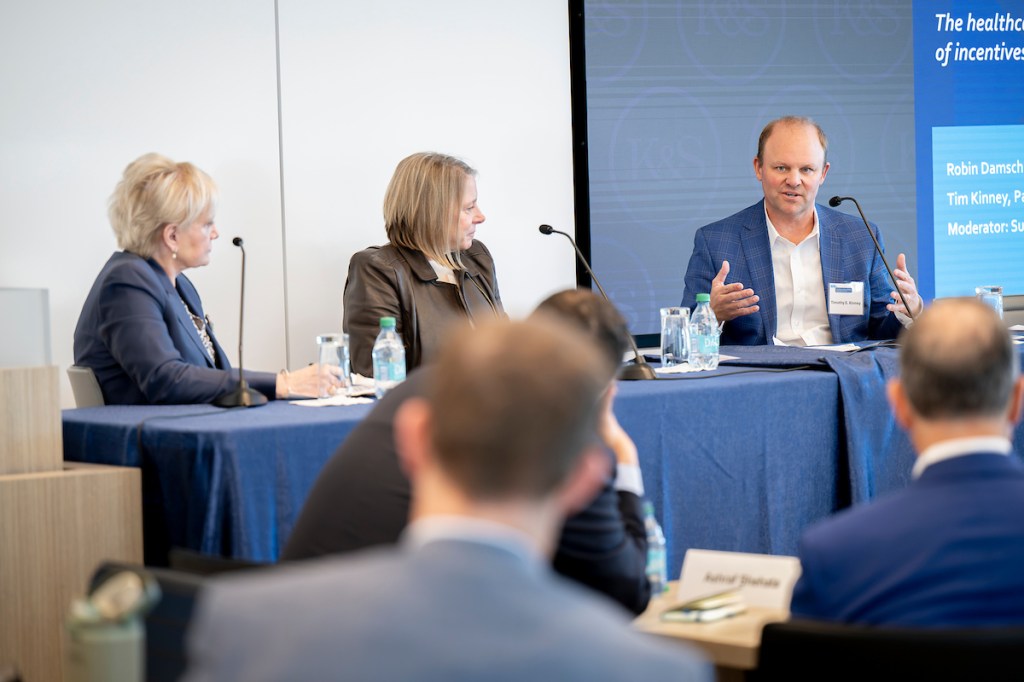
“There are a lot of people out there with good ideas trying to change the healthcare industry. It’s also an industry that hasn’t, historically, moved real fast,” said Timothy Kinney, partner for the consultancy Guidehouse.
Throughout the debate, industry thought leaders explored who owns healthcare affordability in the United States from several angles, including:
- How can we equitably share the cost of caring for a population — especially if employers are to be successful in a global marketplace?
- What will it take for people to become engaged in their own care, a necessary step toward cost reduction and better health outcomes?
- What would individual healthcare organizations do differently if they were held accountable for healthcare affordability?
“There has to be a fundamental change,” Kinney said. “The one thing I do know is that healthcare costs are driving up at a rate of 7% to 8% a year, while revenue in an average organization is increasing 1% to 2%. That equation doesn’t play well, and that’s going to be a challenge, and it’s part of why we’re here.”

At Henry Ford Health in Detroit, Robin Damschroder, FACHE, CPA, executive vice president, president of value-based enterprise and CFO, described the health system’s public-facing affordability campaigns, which are focused on the business of better health. Henry Ford’s perspective is that workforce health is a business strategy, wrote president and CEO Robert G. Riney in an opinion piece in Crain’s Detroit Business four days before the conference.a
“It’s not just about paying for employees’ healthcare expenses. It’s about: How do you get the value out of that business strategy?” Damschroder said. “We are engaging with employers who have patients with us, not only through our own health plan, but anybody who wants to talk to us about, ‘How do you get to that prevented event? How do you manage chronic conditions?’”
With its own employee population, comprising 50,000 employees and 15,000 dependents, Henry Ford applies nearly two decades of experience in operating value-based care programs. In 2025, Henry Ford’s employee health plan operated at about 15% lower overall cost than those of its hospital-industry peers due to its focus on both unit cost and utilization. This reflects an estimated $70 million in annual savings.b
Over the next five years, Henry Ford’s goal is to record $1.5 billion in positive financial impact through reduced cost — achieved in large part from the use of automation and an emphasis on delivering care in the right setting — and through revenue growth strategies.
In the coming year, “We’re going to push ahead with administrative simplification, standardization and AI,” Damschroder said.

A long-term strategy for healthcare affordability and value should include a close look at making the right moves around AI within the context of the organization’s operating model, said Scott Ramer, principal for the consultancy PwC.
“When you apply AI without making sure the foundational elements of your workflow and the roles that support that workflow are done appropriately, then you’re essentially throwing AI onto something that’s already broken, and that’s not going to hold value,” Ramer said.
Additionally, organizations should invest in better support for end-of-life care and advance planning, which ultimately will impact care costs while strengthening quality of care and care experiences, Guidehouse’s Kinney said.
Is the U.S. healthcare delivery model at — or approaching — an existential tipping point?
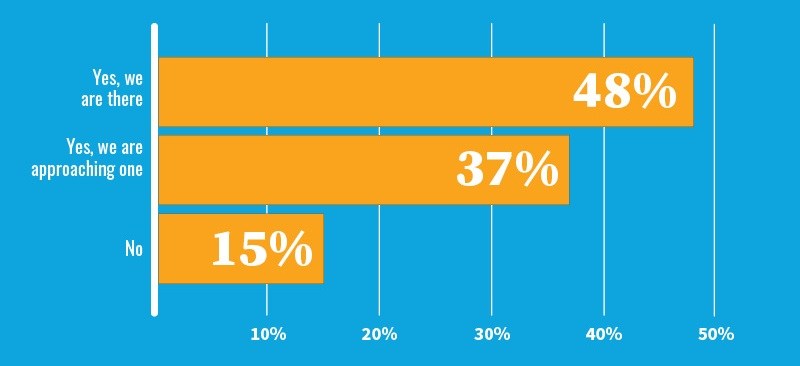
Source: A live poll of attendees of HFMA’s Great Healthcare Affordability Debate, held Oct. 20, 2026, in Washington, D.C.
On a scale of 1-5, how much control do providers and payers actually have over affordability?
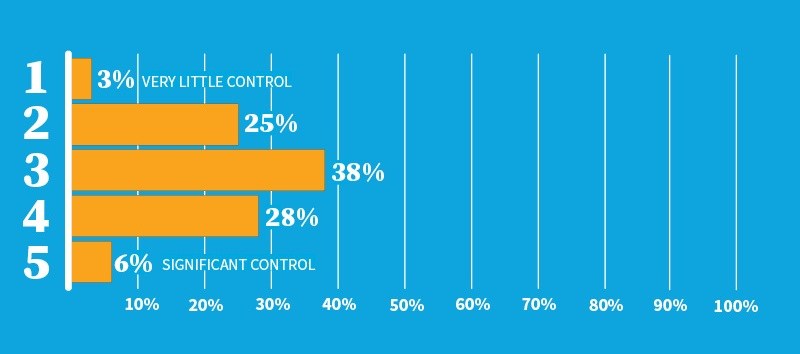
Source: A live poll of attendees of HFMA’s Great Healthcare Affordability Debate, held Oct. 20, 2026, in Washington, D.C.
Debate 2: What should healthcare stop doing?
Making a deeper impact on healthcare affordability will require stakeholders to move beyond siloed solutions and short-term fixes, including temporary financing patches and underfunded government programs, thought leaders at HFMA’s Great Healthcare Affordability Debate said.
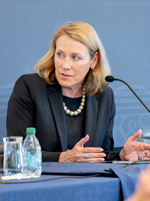
“We have to stop trying to solve this in our own spheres,” said Melinda Hancock, MBA, CFO of Sentara Health, a 12-hospital system based in Norfolk, Virginia.
“The siloed approach has never worked, it’s not going to work, and especially now, it’s so important that we come together as a whole ecosystem of healthcare financing to think this through,” she said.
Throughout the discussion, industry experts identified the following six actions healthcare stakeholders should reconsider.
1. Stop looking at risk or populations in one-year cycles. “Employers have a more longitudinal relationship [with their employees and dependents],” said Anna Haghgooie, managing director for the investment firm Valtruis. “I think as health systems in your community, you have a right to serve your populations from birth to death, but it shouldn’t necessarily happen in a tower.”
It’s time for organizations to take a fresh look at their approach to managing longitudinal, whole-person risk, she said.
“From a financing standpoint, we’ve got to figure out some type of national high-risk pool where we have the ability to create some smoothness versus selection risk as some systems step into risk models,” Haghgooie said.
2. Don’t examine affordability from a narrow vantage point. “I think about affordability from a few different lenses,” said Noah Breslow, CEO for the revenue cycle solutions company Revecore. “We get a lot of calls toward the end of the fiscal year from CFOs saying, ‘Can you help us out?’ What that says to me is that folks are operating with really low working capital, and that sort of speaks to the affordability challenge our clients are facing.
“You think about how an unplanned medical event can literally take someone’s entire household down. That’s why industries like payday lending, for example, exist,” he said. “Folks need help bridging those very tough circumstances.”
3. Quit putting Band-Aids on gaping wounds in healthcare affordability and value. “We have to stop the Band-Aids and stop the thread pulling, and we need to solve more broadly for the underlying issues,” Hancock said.
Also needed: a commitment to quit underfunding the governmental portion of the business of healthcare. “I think that’s a challenge, and that’s been a challenge for decades,” she said.

4. Don’t overlook the importance of a robust discharge process. “As we look for business opportunities, that has led us to the highest-complexity patient populations, like patients at the end of life,” said Leah Binder, MA, president and CEO for The Leapfrog Group. “We believe very much in early palliative care interventions. We often see 25% to 30% savings opportunities just by preventing that last transition of a very complex patient and making sure they’re surrounded with support at home.”
5. Stop paying more for lower-quality care. One trend that Binder has seen accelerate among employers is direct contracting.
“They want to cut out the middleman for particular services,” she said. “Typically, they’re not doing it for all of their health benefits, but they’re homing in on specific services — maternity care in some cases, centers of excellence in others. There are some employers that have taken the lead on that and that has now become intriguing to other employers.”
AI technologies have better positioned employers to determine how to negotiate directly with hospitals and health systems, Binder said.
“I think direct contracting is a very important trend, and I’m seeing success with it,” Binder said. “I’m seeing employers that are saying, ‘I’m lower on healthcare costs. We’re getting better care. Employees like it.’ I’ve definitely seen a positive trend there.”
6. Quit kicking the can down the road on price transparency. “Employers are looking at price transparency,” Binder said. “They are very intent on seeing that enacted and getting the barriers out of the way so that they can begin to really understand what the prices are, which they haven’t been able to figure out, even with the laws that currently exist.
“I also strongly believe that price transparency must be combined with quality or it’s not going to affect affordability,” Binder said. “It has to have quality incorporated into it. You don’t need a study to tell you this much: Poor-quality care costs more. It just does.”
On a scale of 1-5, how much control do policymakers actually have over affordability?
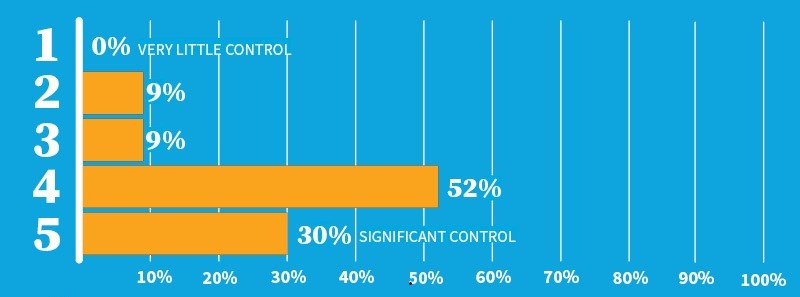
Source: A live poll of attendees of HFMA’s Great Healthcare Affordability Debate, held Oct. 20, 2026, in Washington, D.C.
Debate 3: Who controls the cost of care?

When Seema Verma, MPH, former CMS administrator, thinks about total cost of care, she believes “there’s an incredible opportunity to at least right-size things.”
Verma, who is now executive vice president and general manager for Oracle Health and Life Sciences, points to the toll that administrative expense has had on healthcare. Today, experts estimate that 30% of the excess spending is on administrative expense.c
“AI is not going to solve every problem. Technology is not going to solve every problem. But there’s a real opportunity here to rethink a lot of what we do,” Verma said during HFMA’s Great Healthcare Affordability Debate.
Conference participants pointed to preventive care and population health management combined as being the most powerful lever for producing long-term improvements in healthcare affordability (31%), followed by AI, technology and automation (25%) and administrative simplification (22%).

The focus on population health management as a healthcare affordability booster doesn’t surprise Jerry Penso, MD, MBA, president and CEO of the American Medical Group Association (AMGA). “There’s a lot of low-hanging fruit,” he said.
“When we’re talking about total cost of care and affordability, the financial margin pressure that medical groups and health systems are facing right now is huge, and they project it to grow with H.R. 1 [the One Big Beautiful Bill Act] to astronomical proportions in the next year or two,” Penso said.
But there are also clear opportunities in healthcare to achieve transformational cost reduction, panelists said. Getting there will require new ways of thinking, said Mark E. Miller, PhD, executive vice president of healthcare at Arnold Ventures.
Ideas presented by panelists for reducing the total cost of care included the following.
1. Healthcare price regulation. “Everybody’s trying to find efficiencies someplace, and everybody’s also generating costs at the same time …. but we have never entertained price regulation,” Miller said.
He believes there are “clear opportunities in the system where there are abuses and money falling through that could be dealt with more directly and at least take some of the edge off.”
2. Higher levels of transparency. “There needs to be a tremendous amount of much deeper transparency in terms of what prices are, who owns what, what the costs of care are and that type of thing,” the AMGA’s Penso said.
For example, Penso argued that inadequate government reimbursement and charity care leave a financing gap that is shifted to commercial payers, and it’s a situation that is unsustainable. But Miller disputed the cost-shifting claim, attributing commercial rates to market power. He called for price transparency and clearer understanding of provider costs.
The way in which the current system is designed makes it difficult for even hospitals and health systems to understand their own costs, Oracle’s Verma said. And that’s a source of frustration across healthcare stakeholders.
“There has to be a much deeper understanding of costs because that’s the argument: You enter a set of hospitals, [and leaders will say], ‘You have to cover my costs,’ but it’s like, ‘Where did those costs come from?’” Miller said. “And even the statements about, ‘Well, labor drives [the majority of healthcare expense].’ It’s like, what labor are we not talking about?”
Penso also called for greater transparency around AI models built for healthcare. “A lot of what may be embedded in those models also ought to be a lot more public than it’s likely to be,” he said.

3. Greater traction around value-based care. “I think it’s fair to say that value-based care has not really scaled in the way that we wanted it to,” Verma said.
Fundamentally, the healthcare payment system in the United States is incentivizing the wrong things, she said.
“I think there’s an opportunity now with better interoperability and things like that, [such as] better tooling for providers on the front lines, to advance value-based care,” Verma said. “Even though I don’t think it’s worked well, and there are a lot of opportunities to improve it, I’m still a believer in value-based care because it really shifts the dynamic out of that sick care system into incentivizing more preventive care. And until we have that, we’re always going to be in a system where it just pays to keep having people who are sick.”
4. Increased scrutiny around the true value of AI in healthcare. “My groups get together every meeting, and they talk about all the mistakes they’re making with AI, and they’re learning rapidly where it works, where it doesn’t work,” Penso said.
He added that he’s “seeing a lot more progress, especially in the last few years, toward solving real-world problems that should reduce the cost of care to the patient” through AI use in care.
Which strategy has the greatest potential to produce long-term improvements in healthcare affordability?
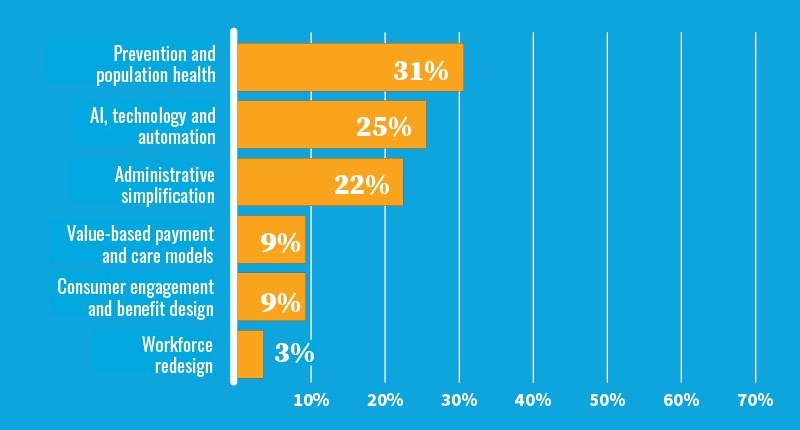
Source: A live poll of attendees of HFMA’s Great Healthcare Affordability Debate, held Oct. 20, 2026, in Washington, D.C.
When we say healthcare needs to become more affordable, whose affordability should be the primary measure of success?
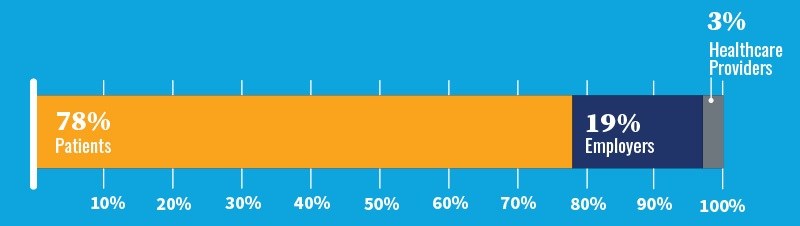
Source: A live poll of attendees of HFMA’s Great Healthcare Affordability Debate, held Oct. 20, 2026, in Washington, D.C.




Debate 4: Can technology make care more affordable?

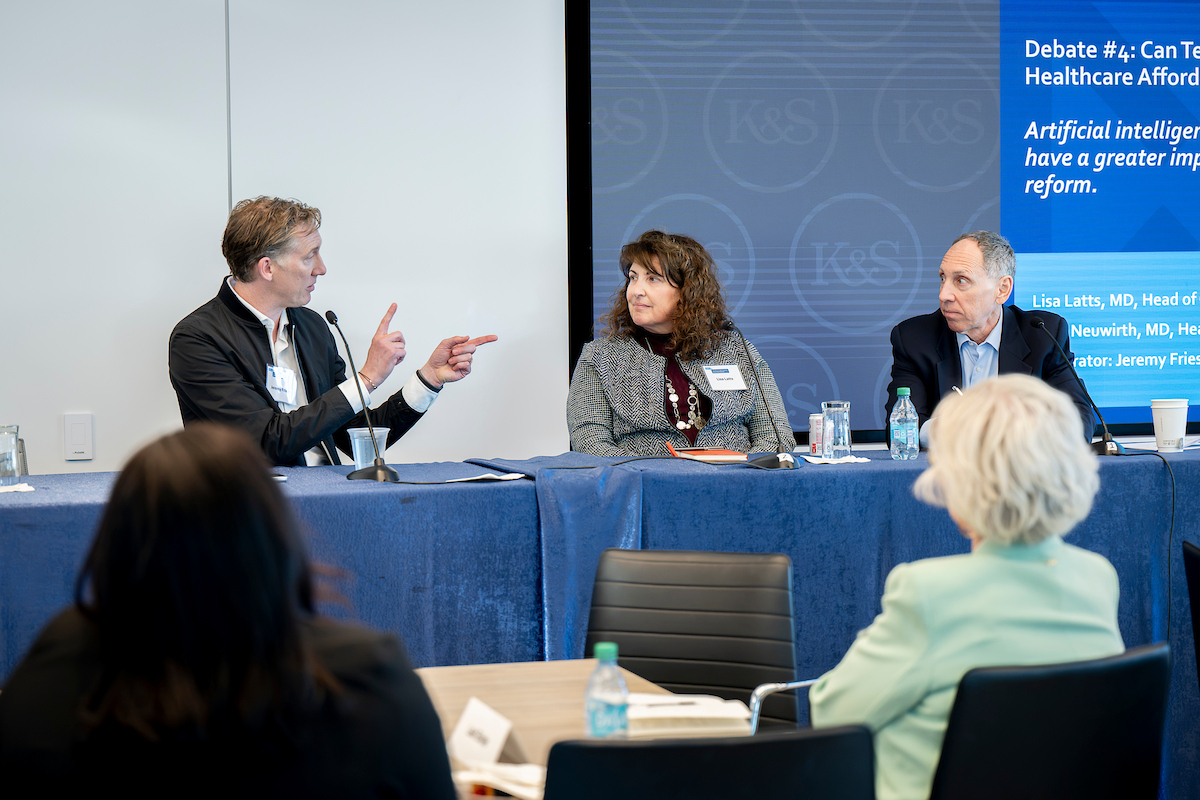
The first question posed to the panel — “Artificial intelligence or payment reform: What moves the needle?” — struck a chord.
“The statement is almost like, ‘There’s no relationship between the two.’ But there’s an absolute causal relationship between the two. Payment dictates everything,” said Zeev Neuwirth, MD, head of strategic partnerships for Rezilient Health.
“As long as we have payment in its current state, we’re going to have AI being used to solve problems, and we see that happening today,” Neuwirth said.
He sees the most desire and urgency to make a change around healthcare costs in the employer market.
“[Employers] cannot survive anymore. This is not a future conversation. This is a now conversation,” Neuwirth said. “Double-digit increases [in health benefit costs] are just impossible, and that’s what they’re experiencing.”

Lisa Latts, MD, head of clinical for the national insurer Bridge and principal for LML Health Solutions, agreed that technology alone cannot make care more affordable, although she’s seen its impact in overcoming access-to-care challenges for vulnerable populations.
“I am truly blown away at the things that are being done in telehealth, and this is even without remote patient monitoring,” Latts said.
“I have spent a lot of time working in Medicaid, particularly in rural areas, and in places like Colorado if you need to go to a specialist, it’s a four-hour drive through the mountains,” she said. “[With telehealth], you could either completely take care of the patient asynchronously or at least say, ‘Let’s order these tests and do these things.’ [When the workup is done and it’s time to see the patient], it’s going to be much more efficient and much more effective.”
However, she also questioned whether employer-focused models can adequately address care needs for people covered through government programs.
“We’re seeing a lower percentage of health insurance now through employers. We’re seeing a larger percentage through government. We’re failing in terms of delivering services through government programs,” Latts said.
The discussion then shifted toward examining ways that ubiquitous access to transformational technology could make healthcare more affordable. Ideas included the following.
1. Strengthening understanding of how to improve quality of care. “Right now, we are doing 100% chart audits [for telehealth providers], which is something we can do with AI that we could never do before,” Latts said.
She suggested that AI is giving healthcare providers “a much more granular understanding of what’s happening in that patient, physician or clinician encounter so that we can start to get to much more granular understandings of quality: ‘Are you delivering care according to best practice guidelines? Are you delivering care that is truly aligned with a patient’s needs?’ …. Getting to a better understanding of quality might really transform value-based care in a way that actually is value-based care.”
2. Applying genomics and predictive, personalized care to medicine. “Genomics and predictive, personalized medicine don’t exist without AI,” Neuwirth said. “You need so much data on any given individual [to apply these techniques] that only AI can actually look at the data and find the answer.”
But while these advancements are being applied now, they aren’t being applied everywhere due to financial constraints.
Another area where Neuwirth is seeing AI-fueled advancements: AI-driven population health management.
3. Remote specialty exams at reduced cost. In some communities, such as rural communities, emergency medical technician paramedics (EMT-Ps) are being hired to use advanced technologies to support virtual care exams.
“The physician shows up on the screen and hears and sees everything,” said Neuwirth, whose company has adopted this approach. “The exam is better than an in-person exam because the machinery is just amazing. You see everything. It lowers the cost of care by about 40%.”
How can technology and payment reform work together to improve care affordability and value? Jeremy Friese, MD, founder and CEO of the healthcare technology company Humata Health and panel moderator, asked participants.
“I think one of the major impediments to truly doing value-based care well has been data inequity and the ability of clinicians doing value-based care to get the data and understand it,” Latts said.
This has led to the need for infrastructure investments to support data analysis, and such investments carry administrative cost.
“I think technology might be able to really help with that,” Latts said. “I’m super excited about unlocking what’s in the medical chart. I mean, it’s been in there, hidden, basically, and we can now unlock it in a way that we’ve never been able to.”
Which stakeholder is best positioned to be the strongest catalyst for improving healthcare affordability?
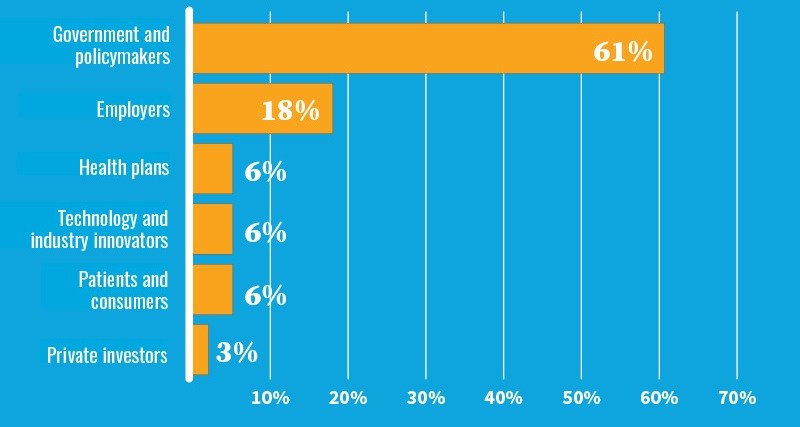
Source: A live poll of attendees of HFMA’s Great Healthcare Affordability Debate, held Oct. 20, 2026, in Washington, D.C.
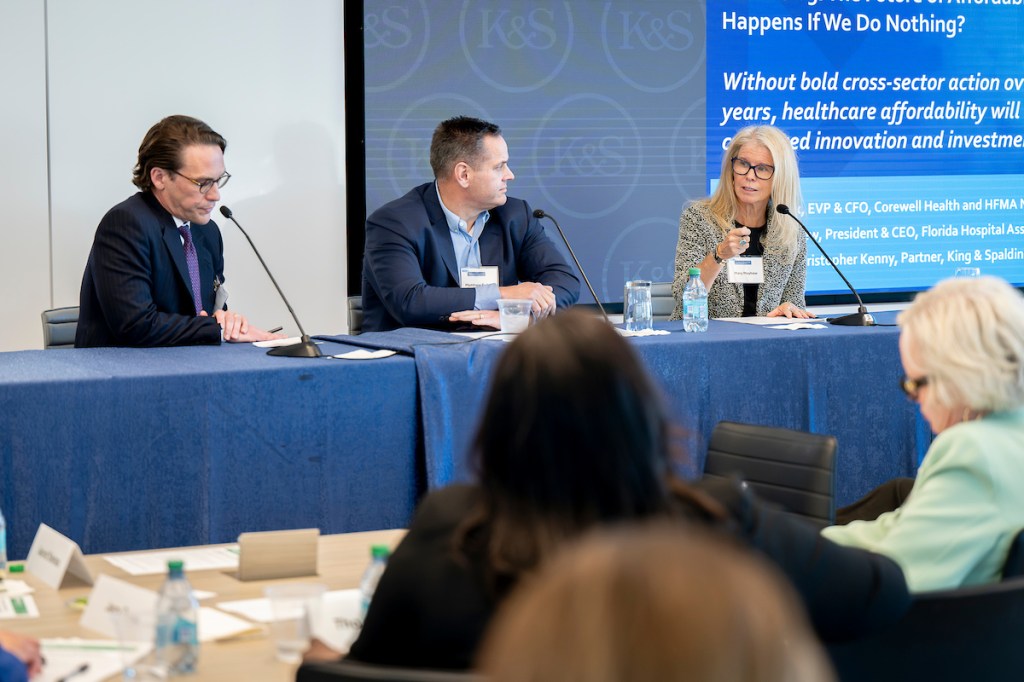
Debate 5: The future of affordability: What happens if we do nothing?
The final session in HFMA’s Great Healthcare Affordability Debate posed a provocative question: What is the single biggest driver of unaffordability at the healthcare provider level?

“Accountability is where we have such incredible opportunity,” said Mary C. Mayhew, president and CEO of the Florida Hospital Association.
Too often, she said, “We’re not leveraging data to drive our decisions.”
For example, Medicaid patients who struggle to make a primary care appointment due to access challenges end up seeking care in the ED, whether for primary care or because their health has deteriorated.
“We have to decide what problem we’re trying to address from the employer’s perspective, the financial sustainability of the Medicaid program and what it is trying to accomplish, and understand that we can’t suspend reality,” Mayhew said. “The perverse payment model isn’t allowing us to get upstream …. The system today is failing so many people. They’re not getting the timely access to the care that they need.”
And yet, healthcare continues to perform miracles for people and their families — and that’s something industry leaders shouldn’t lose sight of as they debate how to make the system more affordable and sustainable, she said.

At the same time, trends such as rising pharmacy costs, including the number of high-cost drugs expected to hit the market next year, and an aging, sicker population are tightening cost pressures for healthcare organizations, according to Matthew E. Cox, FHFMA, CPA, executive vice president and CFO for Corewell Health in Grand Rapids, Michigan, and HFMA National Chair.
He projected that group-market increases of 12% annually could push healthcare spending above 20% of GDP within five years.
“The trend hasn’t gotten any better. It continues to grow, and I think that employers have had enough. I think the government can’t afford to keep doing it, and there is a day of reckoning coming,” Cox said. “I don’t know if it’s now or if it’s five years from now, but at some point in time, incrementalism of improvement isn’t going to be enough. We’re going to have to be transformational in this industry.”
“What opportunities would healthcare miss if the industry doesn’t do anything differently?” asked Christopher P. Kenny, partner, law firm King & Spalding in Washington, D.C., addressing Cox and Mayhew.
“I think if we don’t have some transformation in the next couple of years, employer groups like [what we’re seeing] in Indiana are going to come in and transform us,” Cox said. In 2025, Indiana passed a law that requires nonprofit hospitals to bring their prices below a state threshold by 2029 or risk loss of their tax-exempt status. The move was prompted by what the state viewed as high prices at five nonprofit hospitals.d
“I worry about the playbook from the 1970s coming back — you know, capping prices and ignoring what is driving some of the larger challenges in the system,” Mayhew said. “Though we have got to collectively look at where those opportunities exist to drive change, to drive efficiency, while still contending with some of the perverse infrastructure that exists.”
Leaders also explored what it will take to align healthcare stakeholders around the types of transformational change needed to achieve healthcare affordability.
As he thinks of his own health system, Cox believes providers and Corewell’s health plan are aligned around the organization’s primary goal: reducing the overall cost of care, including for the patient population they manage.
“The problem is, beyond that, there aren’t really aligned incentives with patients and members and physicians and hospitals and insurance companies,” Cox said. “So I do think that the way we’re paying our providers today is going to have to change, because I do think we need to align everyone around common goals and a common true north. And the patient is a big piece of that, but particularly in the Medicaid population, there’s no alignment. They go to the ED for free, and they use it disproportionately more than anyone else.”
Mayhew believes hospitals and health systems have a great opportunity to drive that change.
“I am concerned about true misalignment,” she said. “So, with a patient who’s had a stroke: Why are we debating the need for rehab? Why are they in a bed and we can’t get authorization for the next most appropriate level of care? And yet that is happening day in and day out …. We know what works. So why isn’t it being reimbursed? Why isn’t it being incentivized?”
One question that remained unanswered: how healthcare providers can pursue reform while managing policy uncertainty and financial pressure.



From debate to action: Investing in healthcare’s future
Healthcare affordability and sustainability are inseparable. People need care they can afford, and they need that care to be there when health issues escalate.
The American public recognizes this connection. In a Morning Consult poll commissioned by HFMA, 54% of voters said healthcare became less affordable this year, with six out of 10 Republicans and eight out of 10 Democrats indicating affordability will affect their vote. Also among the survey’s findings:e
- 57% of American adults indicated they were concerned about hospitals closing
- 62% believe healthcare’s financial leaders can help lower healthcare costs and keep at-risk hospitals solvent
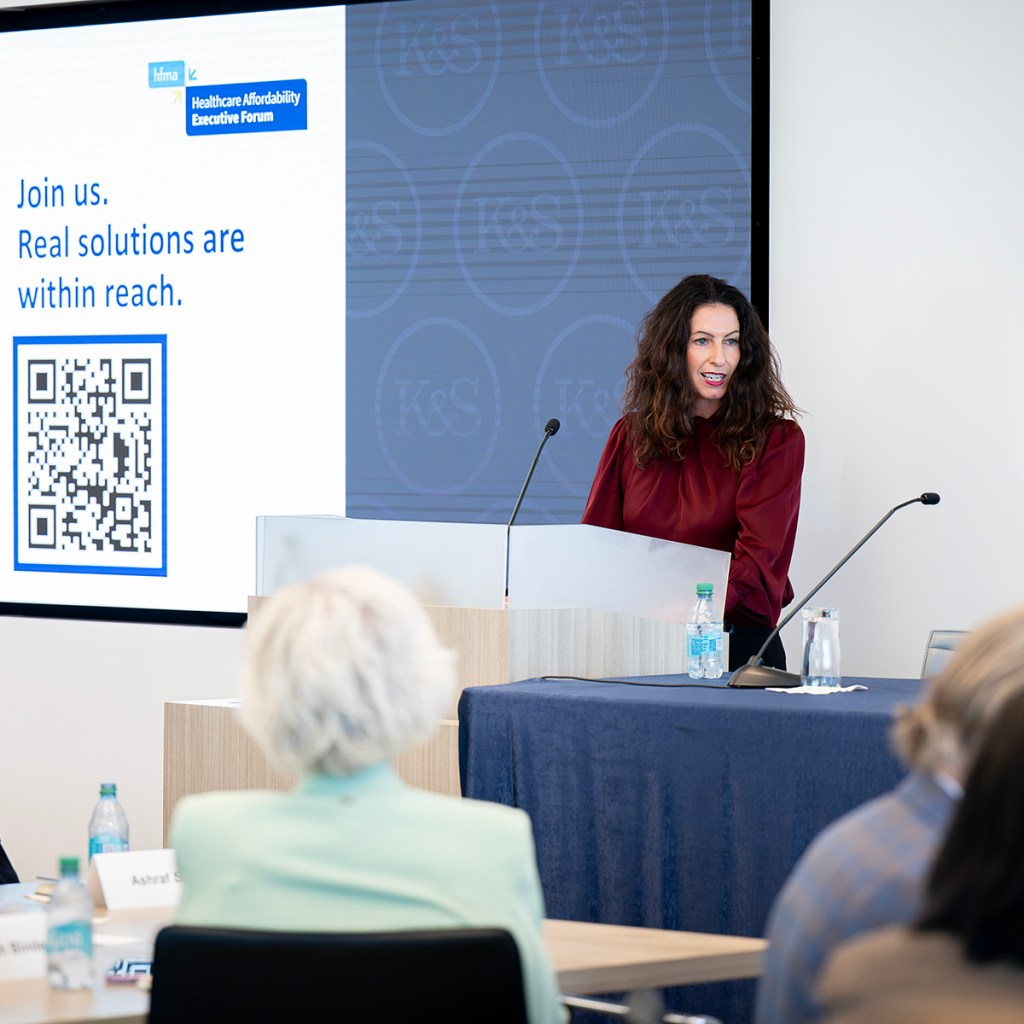
“HFMA has decided to take the step of creating rules of engagement .… for solving problems and organizing opportunities to convene going forward,” HFMA president and CEO Jordan told debate attendees.
“The public sees a role for us at HFMA, and we want to do our part. Our job now is to earn that confidence that it cannot be done alone. It must be done together with all of you.”
Through Vitalic Health, HFMA will continue bringing stakeholders together to test solutions and measure progress on affordability and sustainability. Jordan invited attendees to sign HFMA’s Declaration on Healthcare Affordability and Sustainability and commit to an actionable, consumer-centered approach to achieving these inseparable goals.
She also encouraged attendees to take three practical steps toward advancing the goals of healthcare affordability and sustainability:
1. Choose a specific problem in your organization and help solve it. For example, Corewell Health is working to more broadly align with stakeholders in the shared pursuit of healthcare value.
2. Identify the partner you need beside you in this effort. This might include partnerships between payers and providers; provider-to-provider partnerships; provider-employer partnerships; or employer-to-employer partnerships. It might also include collaboratives, such as the Rural Health Collaborative.
3. Define how you will measure progress toward this goal in terms of cost, access and quality. For example, Henry Ford Health operates its employee health plan at about 15% lower overall cost than those of its hospital-industry peers, reflecting an estimated $70 million in annual savings while maintaining competitive benefits.
“We hope we can be a partner with you in these efforts,” Jordan said. “The people we serve deserve care they can afford and the confidence that care will be there when they need it. That is a purpose worthy of the talent in this room.”


Footnotes
a. Riney, B., “Opinion: Healthcare isn’t just a business expense. It’s a business strategy,” Crain’s Detroit Business, Oct. 16, 2026.
b. Henry Ford Health, “Five practical solutions,” The Business of Better Health, page accessed Oct. 28, 2026.
c. Turner, A., Miller, G., and Lowry, E., “High U.S. healthcare spending: Where is it all going?” The Commonwealth Fund, Oct. 4, 2023.
d. Joseph, G., “Indiana passes law threatening non-profit status of expensive hospitals,” The Guardian, May 9, 2025.
e. “Healthcare’s financial leaders pledge unprecedented collaboration to address America’s healthcare affordability crisis,” HFMA, Oct. 21, 2026.
